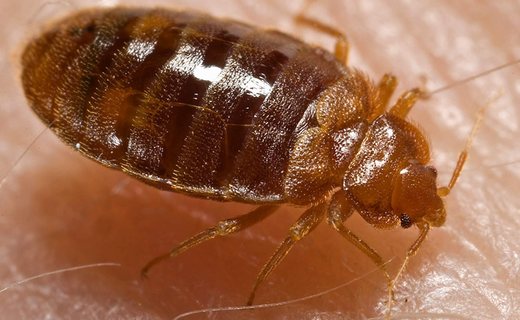
They arrive on luggage and furniture, then travel the building. Cleanliness has nothing to do with it.
First, the thing everyone gets wrong
Bed bugs are not a hygiene problem. They are hitchhikers. They arrive on luggage, on used furniture, on a secondhand mattress, in a guest's bag, and they do not care how often you vacuum. A spotless apartment and a cluttered one get them the same way. Clutter only matters afterward, because it gives them more places to hide and makes treatment harder.
Say that plainly, because shame is the reason people wait, and waiting is the reason a one-room problem becomes a building problem.
How to confirm it
Small itchy bites in a line or a cluster. Tiny rust-colored blood spots and dark fecal specks along mattress seams and box-spring edges. Shed skins. In a heavier infestation, a faint sweet, musty odor.
Take a flashlight to the mattress seam, the box spring, the headboard, the sofa seams, and the gap where the carpet meets the baseboard. Those five places settle most questions. If you find nothing but still suspect, that is worth a professional inspection rather than a can of spray.
Why the building matters
In an apartment building or a two- or three-family house, bed bugs move between units along wall voids, outlets, baseboards, and plumbing chases. A single treated apartment surrounded by untreated ones gets reinfested, sometimes within weeks.
This is the whole reason bed bug work is different in dense housing. It is not enough to treat your bedroom well. Someone has to look at the unit next door and the unit above, and the treatment has to be coordinated.
The two treatments that work
Whole-room heat raises the space above the lethal threshold for bugs and eggs in a single day. It suits a furnished unit where discarding everything is not an option, and it reaches inside furniture and wall voids in the room.
Targeted treatment combines a thorough vacuum, steam on seams and cracks, and residual products placed exactly where the bugs harbor, usually across two or more visits spaced to catch nymphs hatching after the first. Both work when done properly. A local pro will recommend the fit for the room and the level of infestation.
What you do decides the outcome
Launder bedding and clothing on high heat and dry hot. Cut the clutter. Isolate the bed: pull it off the wall, encase the mattress and box spring, keep bedding off the floor.
Do not move infested furniture to another room, which spreads them, and do not put a mattress on the curb unwrapped, which spreads them to the block. And do not skip the follow-up visit. Eggs hatch after the first treatment, and the second visit is what catches them. That single missed appointment is the most common reason people believe treatment failed.
Call and connect with an experienced local exterminator.