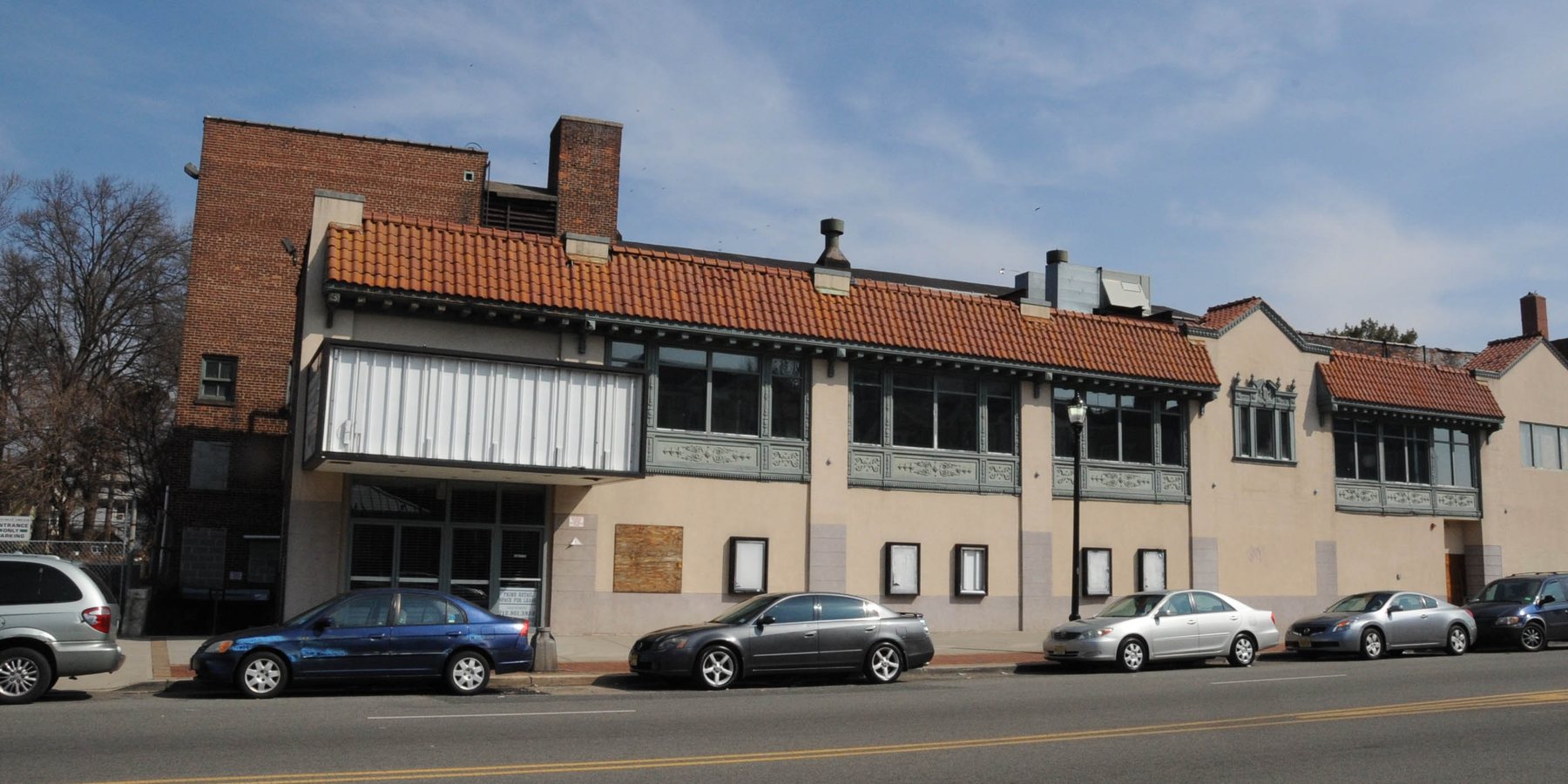
1. Local knowledge – East Orange is four square miles of attached and semi-attached housing, prewar buildings on old stone foundations, and commercial corridors that feed rat colonies. A local pro reads the building and the block, not a template.
East Orange & Essex County, NJ
Pest Control in East Orange
Rats in the alley. Roaches from the unit next door. Bed bugs through a shared wall. Termites under a hundred-year-old frame house. Call and connect with an experienced local exterminator who knows this housing stock.
- Rats along the corridors
- Roaches & bed bugs between units
- Termites in prewar homes
Pest Control Built for Dense Housing in East Orange, NJ
East Orange is four square miles of tightly packed housing, and that single fact shapes every pest problem in the city. Two- and three-family homes and prewar apartment buildings share wall voids, plumbing chases, risers, and basements. German cockroaches and bed bugs use all of them, which is why treating one apartment while the adjoining and stacked units go untouched almost never holds. Norway rats burrow along the alleys, behind the commercial blocks, and beside dumpster pads, then enter century-old foundations through deteriorated mortar and abandoned pipe chases.
Underneath, New Jersey sits in heavy eastern subterranean termite pressure, and a wood-framed house from the early 1900s with a damp basement is exactly what they want. Above ground, Asian tiger mosquitoes breed in a bottle cap of water in a small backyard and bite in broad daylight. Yellowjackets take the soffits by August.
An experienced local exterminator reads the building first, treats the pest with the method that actually works on it, seals the way in, and, in multi-family property, treats the building as one system. Call and describe what you're seeing.
Why Call a Local Pro Instead of Buying a Spray
2. Inspection before price – The foundation and sill plate, the basement, the plumbing chases and risers, the alley and exterior burrows, the soffits, and the containers in the yard. That list is where the pests come from, and it gets looked at before anything gets quoted.
3. Colony-level treatment – Gel bait and a growth regulator for German roaches. Trapping plus exclusion for Norway rats. Non-repellent products for carpenter ants, with the moisture corrected. A continuous soil barrier for subterranean termites. Not one spray for everything.
4. The building, not just the unit – Roaches, mice, and bed bugs travel wall voids, plumbing chases, outlets, and shared basements. In a two-family, three-family, or apartment building, adjoining and stacked units get inspected and the work gets coordinated.
5. Entry points sealed – Deteriorated mortar, sill joints, utility penetrations, abandoned pipe chases, basement doors and windows, soffit gaps. Sealing is what turns a treatment into a result that lasts past the first month.
Most pest problems in East Orange can be identified over the phone. Describe what you're seeing, where in the building, and when.
Talk to a local exterminator (973) 553-7781Pest Pressure Across East Orange
Attached & semi-attached homes
Shared walls, shared basements, shared plumbing chases. Roaches, mice, and bed bugs move address to address, so exclusion and treatment have to consider the neighbor.
Prewar apartment buildings
Old stone and block foundations with degraded mortar, coal chutes, sidewalk vaults, and pipe chases nobody has opened in fifty years. Rodents find every one.
Central Avenue & Main Street
Restaurants, groceries, and takeout produce the food waste that sustains Norway rat colonies. Those colonies expand outward into the residential blocks behind them.
Century-old frame houses
New Jersey sits in heavy subterranean termite pressure. Wood framing, damp basements, and settled foundations give termites soil contact, moisture, and a way in.
Tight backyards & alleys
Asian tiger mosquitoes breed in gutters, tires, buckets, tarps, and planter saucers. They fly barely a couple hundred feet, so the source is almost always right there.
Damp basements
Cellar spiders in the joist bays, silverfish and centipedes on the floor, carpenter ants in a wet rim joist. Drying the space does more than any single treatment.
How the Work Gets Done
Multi-Family Buildings
Two-families, three-families, and prewar apartment buildings share wall voids, plumbing chases, and basements. Roaches, mice, and bed bugs use all of them. Treatment covers the building, not one door.
Learn moreInspection First
Old mortar, a damp basement, an abandoned pipe chase, a downspout at the wall, a shed with soft ground under it. A pest problem here is almost always a building problem, and it gets found before it gets quoted.
Learn moreSealed, Not Just Sprayed
Trapping without exclusion is a subscription. Foundation gaps, sill joints, utility penetrations, and soffit openings get closed so the next rat or mouse can't follow the same route in.
Learn moreServing East Orange & Essex County
The East Orange Pest Blog
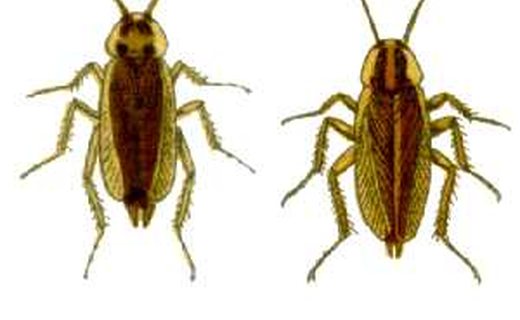
Why Roaches Spread Between Units in East Orange
Your neighbor's kitchen and your kitchen share a wall, a chase, and a riser. The roaches know that.
Learn more
Norway Rats and the Alleys of East Orange
They burrow rather than climb, they need only a few ounces of food a day, and a commercial block supplies it.
Learn more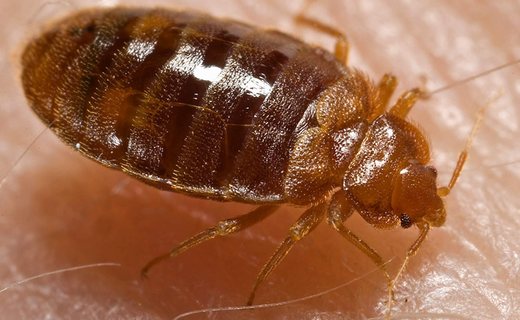
Bed Bugs in Multi-Family Housing: What Essex County Renters Should Know
They arrive on luggage and furniture, then travel the building. Cleanliness has nothing to do with it.
Learn more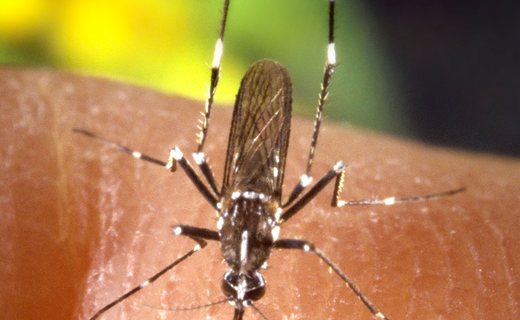
Tiger Mosquitoes Breed in Your Backyard, Not the Swamp
It bites in daylight, it flies barely a couple hundred feet, and it breeds in a bottle cap of water.
Learn moreFrequently Asked Questions
How do I know if I need professional pest control?
If you're seeing roaches in daylight, hearing rodents in a wall, finding mud tubes on a foundation, or getting bitten at night, the population is past the point a store-bought product reaches. In multi-family housing the threshold is lower, because pests travel between units and a delay lets them spread.
What areas do you cover around East Orange?
East Orange and Essex County, including Orange, South Orange, West Orange, Newark, Bloomfield, and Irvington. Call and connect with an experienced local exterminator for your address.
Which pests are most problematic in East Orange?
Norway rats along the alleys and commercial corridors, German cockroaches and bed bugs traveling between units in multi-family buildings, house mice through century-old foundations, eastern subterranean termites in prewar frame homes, and Asian tiger mosquitoes breeding in containers in tight backyards.
Is pest control safe around kids and pets?
Yes. Products are applied to cracks, voids, barrier zones, and the exterior perimeter rather than open living surfaces, and your exterminator will explain any short re-entry time or preparation.
Do you service apartment buildings and rentals?
Yes. Roaches, mice, and bed bugs travel the shared wall voids, plumbing chases, and basements of multi-unit property, so a building-wide plan holds where unit-by-unit treatment does not. It also produces a consistent record of treatment.
How much does pest control cost in East Orange?
It depends on the pest, the property, and whether it's a one-time treatment or a recurring plan. The fastest way to get an accurate number is to call, describe what you're seeing, and get a quote from a local pro.
Ready to deal with it?
Call now and connect with an experienced local exterminator who works East Orange and Essex County.
(973) 553-7781Mon–Fri 7a–8p · Sat–Sun 8a–6p